
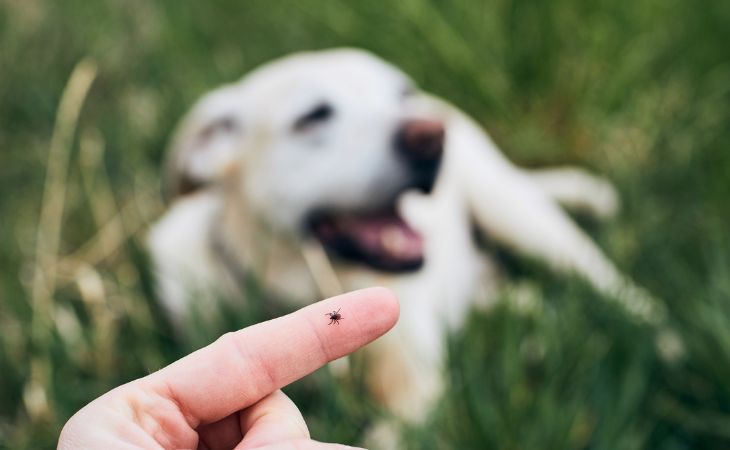
Ticks are external parasites that pose a real threat to the health of dogs. When they attach themselves to a dog’s skin, they inject saliva containing anticoagulants and anesthetics, which makes the bite painless. The major problem is that this saliva can also carry pathogens responsible for serious diseases. Among the most feared is piroplasmosis, which causes rapid destruction of red blood cells, leading to severe and potentially fatal anemia. Lyme disease, which is transmitted by certain species of ticks, manifests as joint pain, chronic fatigue, and sometimes neurological damage. Other conditions such as ehrlichiosis can also affect dogs and significantly weaken their immune systems. These diseases require prompt veterinary care and underscore the importance of effective prevention to protect your dog from ticks.
Different flea and tick treatments to protect your dog
Pipettes and spot-on
Spot-on treatments are a convenient and widely used solution. Apply this treatment directly to the skin, usually between the shoulder blades, and they release an active ingredient that can protect a dog for several weeks. They are rather effective, but it is essential to follow the recommended application schedule to maintain continuous protection.
Flea and tick collars
Flea and tick collars provide long-lasting protection, often lasting several months. They are ideal for dogs that spend a lot of time outdoors. However, some collar models are not water-resistant, which can reduce their effectiveness if your dog swims frequently.
Tick prevention medication
When administered orally, the tablets are absorbed into the dog’s bloodstream and kill ticks as soon as they bite. The duration of protection ranges from a few weeks to three months, depending on the brand. This option is a good choice for dogs that have difficulty tolerating topical treatments.
Sprays and powders
While less used today, tick treatment sprays and powders can serve as a temporary solution in the event of occasional exposure. Their effectiveness is more limited, and the duration of their effectiveness is generally short.
A few simple steps you can take every day to prevent ticks
Even with medication, certain habits can significantly reduce the risk of ticks. After every walk, it is recommended to carefully inspect your dog’s coat and skin. The areas to check first are the ears, neck, groin, head, and between the paw pads. If a tick is found, it should be removed quickly using a tick removal tool designed for this purpose, to ensure it is extracted entirely without leaving the head under the skin. Contrary to popular belief, you should never use alcohol, oil, or disinfectant before removal, as this can cause the tick to regurgitate and increase the risk of transmitting pathogens. Adopting this simple habit is one of the best ways to protect your dog from ticks on a daily basis.
The importance of the environment when protecting your dog against ticks
Ticks thrive mainly in damp areas, tall grass, and underbrush. Maintaining the your dog’s environment is therefore essential. A few simple steps include mowing the lawn regularly, raking up fallen leaves, and limiting your dog’s access to the most heavily infested areas. For particularly exposed areas, certain environmental treatment products are available to help reduce the presence of ticks. These measures, combined with tick treatments, provide enhanced protection.
Natural solutions: complementary aid
Some pet owners turn to natural solutions to protect their dogs from ticks. Essential oils such as lavender, rose geranium, and lemon eucalyptus are often cited for their repellent properties. However, if you use essential oils, do so with extreme caution, as many oils are toxic for dogs if you do not properly dilute them. They can cause skin irritation, digestive issues, or neurological problems. Before using this type of solution, it is therefore strongly recommended to consult a vet to ensure your pet’s safety.
Seasonal vigilance
Ticks are present year-round, but they are most active in the spring and fall, when temperatures are mild and humidity levels are favorable for their development. This doesn’t mean you should let your guard down in summer or winter, as ticks can survive under certain conditions. Adjusting preventive measures according to the seasons is an effective strategy for limiting infestations and protecting your dog from ticks year-round.
The importance of veterinary care
Regular check-ups with your veterinarian ensure optimal protection. Your veterinarian can recommend the most appropriate parasite treatment based on your dog’s age, weight, lifestyle, and overall health. If you notice any unusual symptoms—such as extreme fatigue, loss of appetite, fever, or difficulty walking—it is essential to seek veterinary care immediately. If you detect a tick-borne disease early, the better the chances of recovery. Your vet is a valuable ally in protecting your dog from ticks and maintaining its health.
Key takeaways
- Ticks are a serious threat on the health of dogs, being able to transport serious diseases like piroplasmosis or Lyme disease.
- Protecting your dog from ticks can be done by using tick prevention products that are suitable for your pet regularly (pipettes, collars, pills)
- Inspecting your dog’s coat after every walk is a useful way to prevent ticks.
- Taking care of your dog’s outside environment helps limit the proliferation of ticks.
- Natural solutions can help complete the protection but needs a vet’s opinion.
- Be careful in the spring and fall, in particular, because this is when ticks are most active.
- The vet is the best person to consult for preventing and treating tick-borne diseases.