
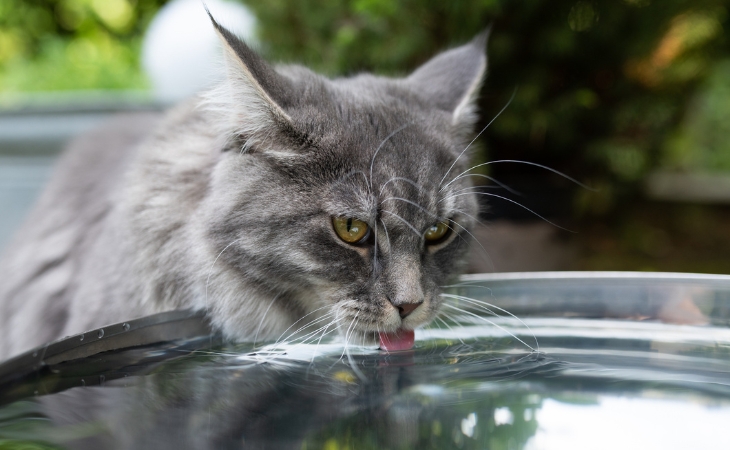
Dehydration in cats is a medical emergency that should never be taken lightly. Water is essential for the body to function properly, as it plays a role in blood circulation, regulating body temperature, digestion, waste elimination, and the functioning of vital organs. When a cat loses more fluid than it takes in, its condition can deteriorate rapidly—sometimes in just a few hours in the most severe cases.
Dehydration often starts out subtle and can go unnoticed, especially in cats that naturally drink very little. However, there are certain signs that should alert owners to seek veterinary care immediately. Learn about the causes, symptoms, treatments, and ways to effectively prevent dehydration in cats.
What is dehydration in cats?
Dehydration is an abnormal decrease in the amount of water in the body. It occurs when fluid loss exceeds fluid intake. Along with this loss of water, cats also lose essential electrolytes such as sodium, potassium, and chloride, which are vital for proper cell function.
In a healthy adult cat, water accounts for about 60% of its body weight. A loss of just 5% of body water is enough to trigger the first symptoms. When dehydration exceeds 10%, the risks become much greater and can be life-threatening.
Cats are particularly prone to this problem because they descended from ancestors that lived in desert regions. They naturally tend to drink very little and have a hard time compensating for a lack of water if their diet isn’t moist enough.
What are the causes of dehydration in cats?
Several situations can lead to dehydration.
First, heat is one of the most common causes. During the summer months or when indoor temperatures are high, a cat loses more water to regulate its body temperature. If access to water is insufficient or the water becomes too warm, the cat can quickly become dehydrated.
Vomiting and diarrhea also cause significant loss of water and minerals. Certain cases of gastroenteritis, food poisoning, or digestive disorders can lead to severe dehydration within a few hours, particularly in kittens and elderly cats.
Certain chronic diseases also contribute to dehydration. Chronic kidney disease, which is very common in senior cats, significantly increases urinary fluid loss. Diabetes mellitus, hyperthyroidism, and certain infections can also be responsible for fluid imbalance.
Reduced water intake is another significant cause. A cat suffering from dental pain, nausea, stress, or illness may simply stop drinking enough.
Finally, certain medications, such as diuretics, or episodes of high fever increase the body’s water requirements.
Which cats are most at risk?
All cats can be affected, however certain categories are at higher risk.
Kittens are particularly vulnerable because their bodies contain a higher proportion of water and their reserves are limited. They can become dehydrated very quickly when ill.
Older cats often drink less and more frequently suffer from kidney or endocrine diseases that promote fluid loss.
Cats that are exclusively fed dry food also face a slightly higher risk. Dry food contains only about 8–10% moisture, compared to nearly 80% for wet food. Therefore, a significant portion of their hydration depends directly on their water intake.
Cats suffering from chronic illnesses or those that have recently undergone surgery also require increased monitoring.
What are the symptoms of dehydration in cats?
Clinical signs evolve progressively depending on the degree of dehydration.
At first, a cat may simply seem less energetic. They sleep more, play less, and appear tired. Their appetite may also decrease.
The mucous membranes then become drier. The gums lose their moist appearance and become sticky to the touch.
The well-known skin-tenting test can sometimes provide an initial clue. When the skin between the shoulder blades is gently lifted, it should immediately return back into place. If the fold persists for several seconds, it may indicate dehydration. However, this test is not very reliable for older or overweight cats and is no substitute for a veterinary examination.
In addition, the eyes may appear slightly sunken in their sockets, while the coat becomes duller and less silky.
As dehydration worsens, cats become very weak, refuse to eat, and sometimes exhibits rapid breathing and an elevated heart rate. In the most severe cases, shock, neurological disorders, or even a coma may develop.
This article might interest you: Heat stroke in cats: how to recognize and prevent it
How does a vet diagnose dehydration?
The diagnosis is based first and foremost on a comprehensive clinical examination.
The vet assesses the cat’s general condition, checks its mucous membranes, measures its heart and respiratory rates, and looks for various signs to estimate the degree of dehydration.
In addition, blood tests are often performed to measure electrolytes, kidney function, and blood concentration, and to check for any underlying disease.
A urine analysis may also be performed to assess the kidneys’ ability to concentrate urine and to guide the diagnosis toward certain conditions, such as renal failure or diabetes.
Depending on the observed symptoms, additional tests may be necessary to precisely identify the cause of the dehydration.
How is dehydration treated in cats?
Treatment is primarily aimed at quickly restoring the body’s fluid balance.
For mild cases, the vet may recommend oral rehydration if your cat is still able to drink without vomiting. Rehydration solutions specifically formulated for animals may sometimes be used, depending on the situation.
When dehydration is moderate or severe, veterinary care is often necessary. Cats are given an intravenous fluid infusion to gradually replenish lost water and electrolytes.
Treating the underlying cause is just as important. For example, gastroenteritis requires digestive medications, kidney failure requires long-term management, and an infection may require specific treatment.
The length of the stay varies depending on your cat’s condition and the underlying illness. Some animals recover quickly and can return to good overall health, while others require several days of intensive care.
How can you prevent dehydration in cats?
Prevention relies primarily on keeping your cat well-hydrated every day.
Fresh water should always be available in several places around the house. In addition, many cats prefer water fountains, as the movement of water encourages them to drink.
Wet food is also an excellent way to naturally increase water intake. Even for cats fed primarily dry food, offering wet food on a regular basis can help reduce the risk of dehydration.
During heat waves, it is best to keep your home cool, change the water several times a day, and avoid physical exertion during the hottest hours of the day.
Cats that already have kidney failure, diabetes, or other chronic conditions should receive regular veterinary care to monitor their hydration.
Finally, any episode of diarrhea, repeated vomiting, or a significant loss of appetite that lasts more than 24 hours warrants a prompt vet visit, especially for kittens and older cats.
When should you seek emergency veterinary care?
You should seek immediate veterinary care if your cat has not drunk any water for several hours, is vomiting repeatedly, has severe diarrhea, is extremely lethargic, or is having difficulty moving around.
Seek immediate veterinary care if your pet already has a kidney or endocrine disorder, or if symptoms appear during a heat wave.
Early treatment significantly improves the chances of recovery and reduces the risk of serious complications.
Key takeaways
- Dehydration is an excessive loss of water and electrolytes from the body.
- The main causes of dehydration are extreme heat, vomiting, diarrhea, and certain illnesses.
- Those most at risk include kittens, older cats, and cats with chronic illnesses.
- The first signs of dehydration are a loss of energy, a decreased appetite, and dry gums.
- If your cat’s folded skin takes a long time to return to its normal position, it can be a clue that your pet is dehydrated. However, it is not a completely reliable test.
- Severe dehydration can lead to shock and it can be life-threatening for cats.
- Treatment primarily involves rehydrating your cat, often through intravenous fluids in moderate to severe cases.
- A wet food diet and constant access to fresh water help reduce the risk of dehydration.
- Any prolonged lack of water intake, accompanied by vomiting, diarrhea, or lethargy, requires prompt vet attention.