
Diabetes is an endocrine disorder that is becoming increasingly common, particularly for overweight or older cats. It is often diagnosed after the onset of symptoms such as excessive thirst or unexplained weight loss, this condition requires prompt treatment to prevent complications that can sometimes be serious. Although it is a chronic condition, appropriate treatment and close veterinary monitoring allow many cats to maintain an excellent quality of life. In some cases, remission is even possible when the condition is diagnosed early.
What is diabetes in cats?
Diabetes is a disease characterized by an abnormal rise in blood glucose levels, known as hyperglycemia. This condition is linked to a lack of insulin production by the pancreas or the body’s cells failing to use the hormone effectively.
Insulin plays an essential role in regulating blood sugar levels by allowing glucose to enter cells for use as an energy source. When this mechanism is disrupted, sugar accumulates in the blood, while cells are deprived of their primary fuel.
In cats, diabetes is often comparable to type 2 diabetes in humans, involving progressive insulin resistance that can progress to a decrease in insulin production.
What are the causes of diabetes in cats?
Excess weight, the main risk factor
Obesity is a major factor contributing to the development of feline diabetes. Excess body fat gradually reduces cellular sensitivity to insulin, forcing the pancreas to produce more of the hormone to maintain normal blood sugar levels. Over time, this mechanism can become exhausted, leading to the onset of the disease.
Cats that live exclusively indoors, that are not very physically active and that receive too rich a diet are particularly affected by this risk.
Age and certain individual factors
Diabetes is more frequently diagnosed in middle-aged or senior cats, generally starting at seven or eight years of age. Neutered males also appear to be at higher risk than females.
Certain genetic predispositions may exist depending on the breed, although any cat can be affected at some point in its life.
Diseases and treatments that promote diabetes
Certain endocrine disorders, such as acromegaly or Cushing’s syndrome, can predispose individuals to developing diabetes. Similarly, the prolonged use of certain medications—particularly corticosteroids or specific hormonal treatments—can disrupt glucose metabolism and increase the risk of developing the disease.
What are the symptoms of diabetes in cats?
Diabetes often develops gradually, and the early signs may go unnoticed for several weeks.
One of the most characteristic symptoms is a significant increase in water consumption. The cat drinks more to compensate for urinary losses caused by the excess glucose excreted in the urine. This excessive thirst is generally accompanied by an increase in the volume and frequency of urination.
Paradoxically, despite an appetite that is sometimes maintained or even increased, the cat gradually loses weight. Unable to utilize glucose properly, its body draws on its fat and muscle reserves to produce energy.
As the disease progresses, a decline in condition, reduced activity, a poorly groomed coat, and general weakness may develop. In the most severe cases, diabetic neuropathy can lead to a characteristic gait involving weight-bearing on the hocks of the hind limbs.
How do you diagnose diabetes for cats?
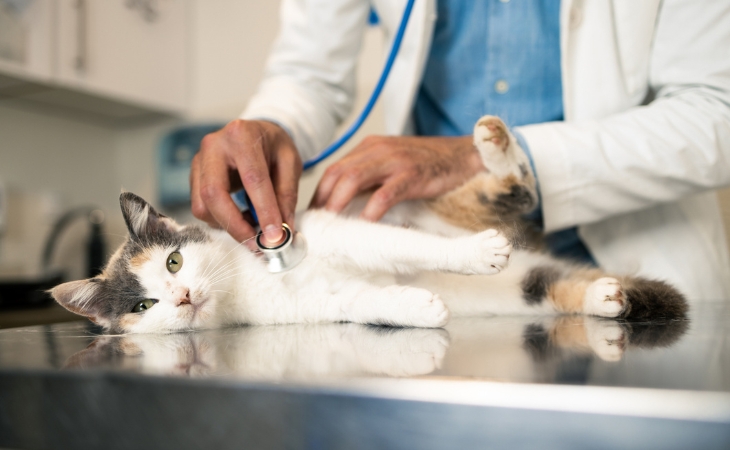
It is based on a clinical examination performed by a vet, as well as several additional tests.
A blood test allows for the measurement of blood glucose levels and an assessment of whether they remain abnormally high. In cats, stress during a veterinary consultation can cause temporary hyperglycemia. For this reason, the veterinarian may also measure fructosamine, a marker that reflects average blood glucose levels over the preceding two to three weeks.
A urinalysis generally rounds out the assessment to check for the presence of glucose and any urinary tract infections, which are relatively common in diabetic cats.
What are common treatments for diabetes in cats?
Insulin therapy
In most cases, treatment relies on regular insulin injections administered subcutaneously. The amount is individually adjusted based on each cat’s response to it and requires close veterinary monitoring, particularly during the initial stages of treatment.
Owners generally quickly learn to administer these injections at home, and they are often well tolerated by cats.
A suitable diet for your cats
Diet plays a major role in diabetes management. Veterinary diets specially formulated for diabetic cats are generally high in protein and low in carbohydrates to limit fluctuations in blood sugar levels.
In overweight cats, gradual weight loss often helps significantly improve treatment efficacy and can sometimes promote remission.
Regular follow-up
Treatment requires regular veterinary check-ups to adjust insulin doses and monitor the progression of the disease. Blood glucose curves or fructosamine tests may be performed periodically to assess diabetes control.
Carefully observing the cat’s behavior at home also remains essential for quickly detecting any changes in its general condition.
Is diabetes curable?
Contrary to popular belief, some cats can go into remission when diabetes is diagnosed early and properly managed. In such cases, the pancreas sometimes regains sufficient function to maintain normal blood glucose levels without insulin injections.
However, this remission is not automatic and may be temporary. Even when it occurs, a proper diet and veterinary care remain essential to minimize the risk of relapse.
Can you prevent diabetes?
Prevention relies primarily on maintaining an optimal body weight throughout a cat’s life. Ensuring a balanced diet tailored to your cat’s needs, along with regular physical activity, can significantly reduce the risk of developing this disease.
Daily play, cat trees, interactive food dispensers, and environmental enrichment allow cats that live exclusively indoors to use more energy throughout their day.
Finally, regular veterinary checkups help detect the disease early and can enable prompt treatment to be started if necessary.
Key takeaways
- Diabetes is a chronic disease caused by a disruption in the regulation of blood glucose levels.
- Overweight cats and senior cats are particularly at risk.
- Excessive thirst, frequent urination, and weight loss are common signs of diabetes.
- The diabetes diagnosis is based on a clinical examination, blood tests, and urine tests.
- Treatment for cats typically involves a combination of insulin injections, a special diet, and regular veterinary checkups.
- Weight loss can significantly improve the health of overweight cats.
- Some cats may go into remission if treated early.
- Prevention based on a balanced diet and regular physical activity helps reduce the risk of developing the disease.